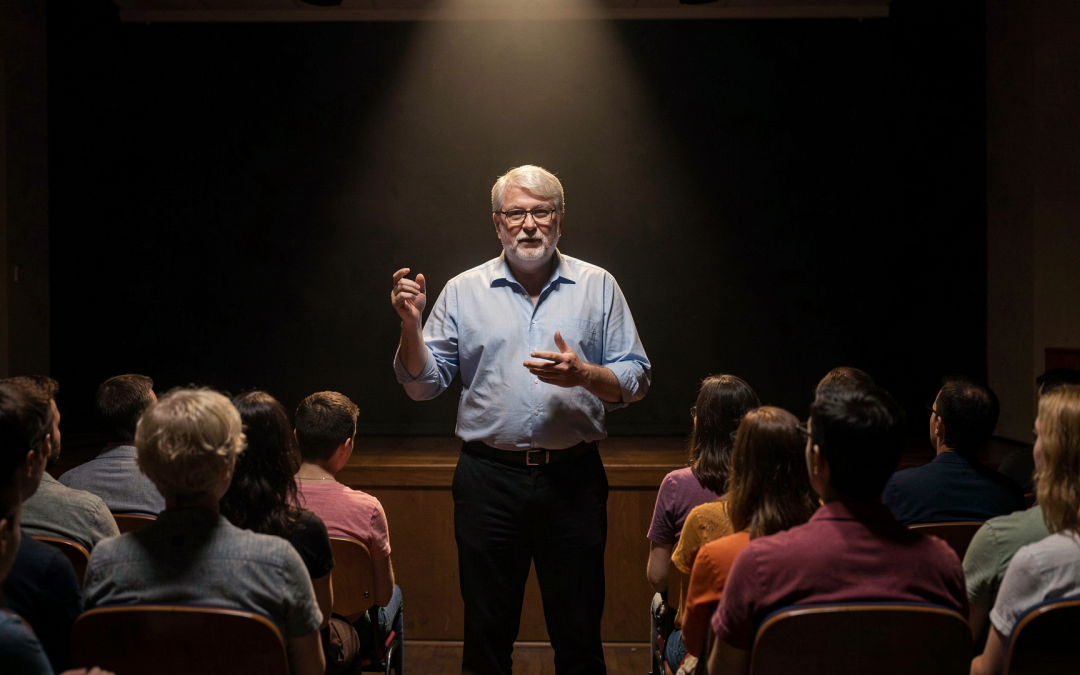
I’ve now done enough talks — the WI, the U3A, Rotary, radio, and various podcasts along the way — that certain questions have become old friends. I thought it was about time I collected the regulars in one place, with the answers I actually gave, rather than the polished version I sometimes wish I’d thought of at the time.

“Where do you find your ideas?”

The classic opener. I never quite manage to make this sound less anticlimactic than it is: I don’t go looking. They turn up. Give me a word or a sentence, and twenty or thirty minutes later, there’s something on the page that wasn’t there before. Often, they turn up unexpectedly, usually at the most inconvenient times, like 2:30 am as I’m getting ready for bed (yes, I’m a night owl!). Thank the gods for smartphones with note-taking capabilities.

People nod politely. I don’t think they ever quite believe me. I’m sure many of them think someone provides me with all the inspiration — maybe some online service I subscribe to — and I’m keeping it to myself. Of course, it’s actually my Muse, but I can’t introduce you to her because she lives in the back of my head. You will have to find your own, I’m afraid. 

“How do you find time to write so much?”

This one always makes me laugh slightly, because the honest answer involves the Muse turning up uninvited in the early hours and me not having much say in the matter. It’s less about ‘finding time’ and more about ‘the time finds me, whether I like it or not.’ I usually phrase it more politely than that, depending on the audience.

By the way, I have hundreds of ideas that I haven’t got around to writing yet. I suspect they will never be written because I would have to live for millennia to write them all. I am not Methuselah, despite my white hair. 

However, I do have more time now than I used to because my mother, whom I looked after, passed away a few months ago. The time I spent looking after her, even though she was quite low-maintenance, I can now dedicate to following the Muse wherever she leads me. I’m not sure whether it’s a good thing that I spend so much time with her.

“Do you plan your books in advance?”

No. This answer tends to produce the most visible surprise in any room — there’s always at least one person who looks faintly scandalised, as though I’ve admitted to driving without looking at the road. I explain Pantsing, Discovery Writing, the whole business of finding out what happens by writing it, and you can watch half the room relax (these clearly do the same thing themselves and have been feeling guilty about it).

The other half look more worried than before.

“Which of your books should I read first?”

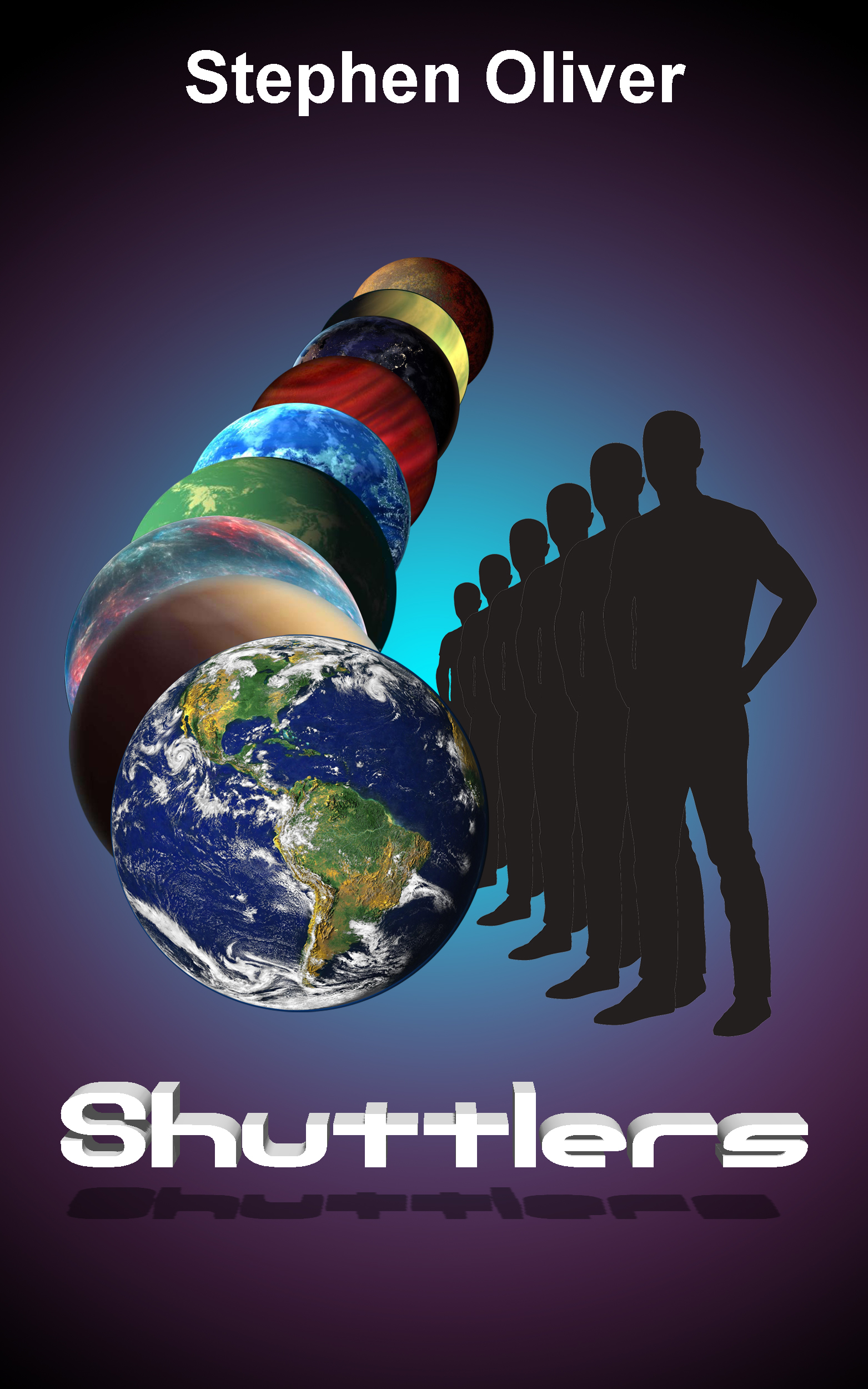
This depends entirely on what they’re after. If they want space opera and multiverse trouble, it’s Shuttlers.

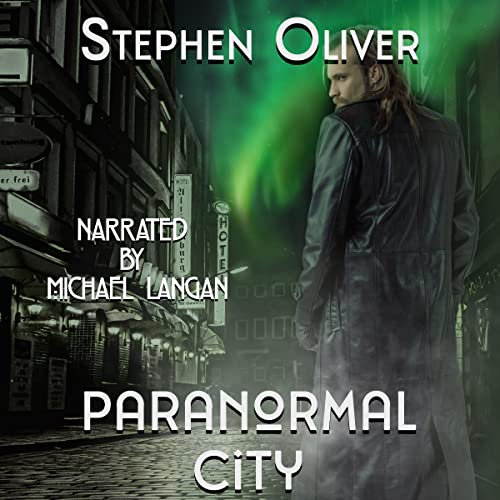
If they want something darker and stranger, closer to urban fantasy and horror, then Paranormal City is the way to go. I try not to sound like I’m reciting a menu, though I’m not sure I always succeed.

And then there are the many anthologies that I’ve contributed to, too. As well as my self-help book, Unleash Your Dreams: Going Beyond Goal Setting.

“What’s it like working with a writing coach?”

This one tends to come from the people in the room who are working on their own projects. I talk about Annalisa, about the questions she asks that I don’t want to answer, about how the first draft is never the finished thing, no matter how complete it feels at 2 am when the Muse hands it to you.

A writing coach’s job is to keep you going, help you get over blocks, teach you how to be the best writer you can, what you need to know to follow the author lifestyle, and, I suspect, keep you relatively sane. After all, you do require a certain level of insanity to think that your thoughts are going to be important to someone else. Their job is to make sure you don’t go completely over the edge. 

If you’re serious about becoming a published author, I recommend finding a writing coach. If you want to contact Annalisa, I suggest you book a call on her website.

“Aren’t you worried about running out of ideas?”

Never. If anything, I worry about the opposite. After 2.2 million words and counting, the problem has never once been a shortage of ideas. It’s always been a problem finding the time to write it all down. As I mentioned earlier, I have hundreds of ideas still awaiting their turn, and I keep getting more! 

The One I Still Don’t Have a Good Answer For

“How do you know when a story is actually finished?”

I genuinely don’t have a tidy answer to this one. I just know it.

Or rather, I think I know it, but when I read it again three days later, I find six things to fix. And again, a couple of months later, I realise that I need to add a few more sentences or paragraphs. And again…

I tell audiences this honestly, and it usually gets the biggest laugh of the session — mostly, I suspect, out of relief that even someone who’s written this much hasn’t worked it out either.

I remember reading a quote from a well-known author, and I cannot for the life of me remember who it was, that he had never finished writing a book in his life. Instead, his wife and agent would take it away from him and publish it.

Pin It on Pinterest

Share This